Loading content...
Loading content...
Loading content...
Loading content...
Loading content...

Loading content...
Loading content...
Loading content...
Loading content...
Loading content...
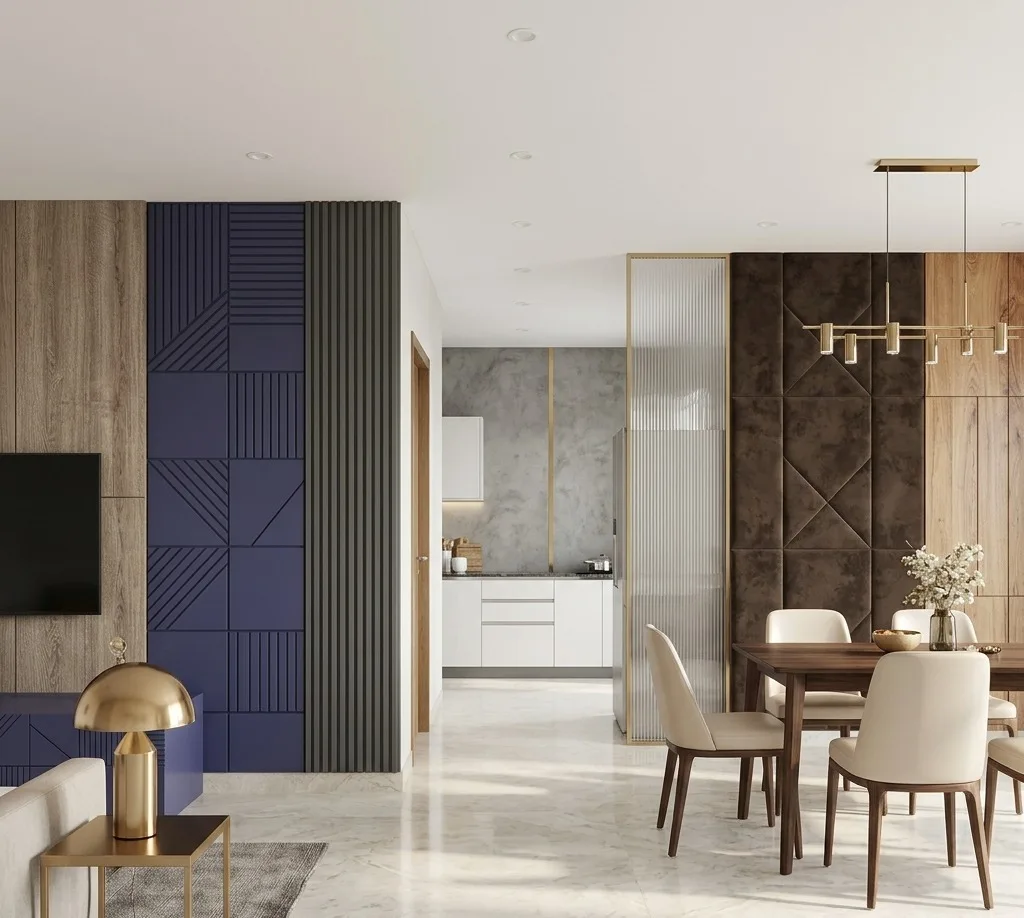
Ever looked at a beautifully designed living room and wondered why it feels so polished and luxurious? In many cases, the secret lies in the walls. Wall panelling materials have become one of the most popular interior design elements because they add depth, texture, and character to a space without requiring a complete renovation. Whether you’re designing a new home or planning a renovation, working with professional interior design services in Bangalore can help you choose the right wall panel material to enhance both the aesthetics and functionality of your space.
This guide explains the best wall panelling materials, their advantages, limitations, costs, and ideal applications so you can make an informed decision.
Wall panelling materials are decorative or protective coverings installed over walls to enhance their appearance and durability. Unlike standard paint finishes, wall panels introduce texture, dimension, and architectural interest while also helping conceal imperfections such as uneven surfaces, exposed wiring, or minor wall damage.
Modern wall panelling is no longer limited to luxury homes. Today, homeowners use panels in living rooms, bedrooms, dining areas, TV walls, home offices, and even bathrooms. Depending on the material chosen, wall panels can improve insulation, reduce noise, increase durability, and elevate the overall design of a space.
The growing popularity of wall panelling comes from its ability to combine style and practicality. Instead of relying solely on paint or wallpaper, homeowners can create feature walls that instantly become focal points within a room.
Some of the biggest benefits include:
The key is choosing a material that matches your lifestyle, maintenance preferences, and interior design style.
Before selecting a material, consider how the room is used. A panel that works perfectly in a bedroom may not perform well in a moisture-prone bathroom.
| Factor | What to Consider |
|---|---|
| Room Type | Dry or moisture-prone environment |
| Budget | Initial installation and long-term maintenance |
| Design Style | Modern, contemporary, luxury, industrial, or classic |
| Durability | Daily wear and tear levels |
| Maintenance | Cleaning and upkeep requirements |
| Longevity | Expected lifespan of the material |
Once these factors are clear, choosing the right wall panelling material becomes much easier.
PVC wall panels remain one of the most practical and affordable options available today. Made from polyvinyl chloride, these panels are lightweight, moisture-resistant, and easy to maintain, making them particularly suitable for Indian homes.
One of the biggest advantages of PVC panels is their ability to withstand humidity without warping or developing mould. This makes them ideal for kitchens, bathrooms, utility areas, and apartments where low maintenance is a priority. Modern PVC panels are also available in finishes that mimic wood, stone, and marble, allowing homeowners to achieve an elegant look without spending significantly.
Bathrooms, kitchens, utility spaces, and budget-friendly renovations.
MDF (Medium Density Fibreboard) panels are among the most commonly used wall panelling materials in contemporary interiors. Their smooth surface makes them highly versatile and suitable for custom grooves, mouldings, geometric patterns, and decorative wall treatments.
Interior designers often recommend MDF panels for living rooms, bedrooms, and TV feature walls because they can be painted in virtually any colour and customised to suit different design styles. While MDF performs exceptionally well in dry areas, it is generally not recommended for spaces with constant moisture exposure.
Living rooms, bedrooms, TV walls, and feature walls.
Laminate wall panels are an excellent choice for homeowners who want durability combined with design flexibility. These panels consist of decorative laminate sheets applied to a substrate, creating finishes that replicate wood, stone, marble, or textured surfaces.
One of the reasons laminate panels are so popular is their resistance to scratches, stains, and daily wear. They are also easier to maintain than natural wood while delivering a similar visual appeal.
Living rooms, dining spaces, offices, and high-traffic areas.
If you’re looking for timeless elegance, natural wood remains one of the most desirable wall panelling materials. Real wood introduces warmth, texture, and sophistication that few other materials can replicate.
Natural wood panels are commonly used in luxury residences, villas, and premium apartments. They create a rich visual impact and pair beautifully with modern, contemporary, and classic interiors. Although wood requires periodic maintenance, its aesthetic value often justifies the investment.
Luxury living rooms, master bedrooms, and statement feature walls.
Wood Plastic Composite (WPC) panels combine the appearance of wood with the durability of engineered materials. They are becoming increasingly popular among homeowners who want a wood-like finish without the maintenance requirements associated with natural timber.
Because WPC panels resist moisture, termites, and warping, they are often considered a practical long-term investment.
TV walls, bedrooms, and humid environments.
Glass wall panels are ideal for homeowners who prefer clean lines and modern aesthetics. They reflect light effectively, helping smaller rooms appear brighter and more spacious.
Available in clear, frosted, back-painted, and textured finishes, glass panels can be tailored to suit different interior themes. They also offer excellent moisture resistance, making them suitable for bathrooms and modern kitchens.
Bathrooms, compact apartments, and contemporary interiors.
Mirror wall panels are often used as a design trick to visually expand smaller spaces. By reflecting both light and surrounding interiors, they create the illusion of a larger and more open room.
When strategically installed in living rooms, dining areas, or foyers, mirror panels can dramatically improve the perceived size and brightness of a space.
Living rooms, foyers, dining spaces, and apartments.
Upholstered wall panels introduce softness, comfort, and luxury into interiors. Typically covered with fabric, suede, velvet, or leatherette, these panels are especially popular in bedrooms and home theatres.
Beyond aesthetics, upholstered panels also provide acoustic benefits by reducing sound reflections and improving room acoustics.
Bedrooms, lounges, and home theatres.
For homeowners who prefer industrial and minimalist interiors, cement wall panels provide a raw and contemporary aesthetic. These panels are durable, easy to maintain, and capable of creating striking feature walls.
The natural texture of cement works particularly well with modern furniture, metal accents, and neutral colour palettes.
Industrial-style homes and accent walls.
Metal panels create bold visual statements and are increasingly used in modern luxury interiors. Available in finishes such as stainless steel, aluminium, brass, and copper, these panels add texture and sophistication.
Although less common in residential projects, metal panels can be highly effective when used selectively as feature elements.
Home offices, luxury interiors, and contemporary spaces.
| Material | Durability | Maintenance | Moisture Resistance | Budget |
|---|---|---|---|---|
| PVC | High | Low | Excellent | Low |
| MDF | Medium | Low | Moderate | Medium |
| Laminate | High | Low | Good | Medium |
| Natural Wood | High | Medium | Moderate | High |
| WPC | High | Low | Excellent | Medium |
| Glass | High | Low | Excellent | High |
| Mirror | High | Medium | Excellent | High |
| Upholstered | Medium | High | Low | High |
| Cement | High | Low | Good | Medium |
| Metal | High | Low | Excellent | High |
If you’re still unsure which material to choose, here’s a simple rule of thumb:
Choosing materials based on room function often leads to better long-term satisfaction than choosing solely based on appearance.
Many homeowners focus only on aesthetics and overlook practical considerations. To avoid expensive mistakes, remember these points:
Wall panelling materials can dramatically enhance the appearance and functionality of your home when chosen correctly. Whether you prefer the affordability of PVC, the versatility of MDF, the durability of laminates, or the luxury of natural wood, each material offers unique advantages for different spaces.
The best approach is to evaluate your budget, room requirements, maintenance preferences, and design goals before making a decision. A carefully selected wall panel not only elevates your interiors but also adds lasting value and character to your home. If you’re planning a home makeover, get in touch with our interior design experts to create a space tailored to your lifestyle and preferences.

Once you have fixed a number in your head ₹30 lakh, ₹40 lakh, ₹50 lakh the harder question is where...
If you have started asking around, you already know the answer is not one clean number. A 4BHK villa interior...
Transform your vision into a cohesive, timeless space with Bangalore's award-winning design studio.
Book Your Free Consultation